10 Common Mistakes to Avoid When Installing a Window Exhaust Fan
Introduction
One of the easiest and most convinient methods to enhance ventilation in the house is the installation of window exhaust fan.It assists in reducing hot air, smoke, humidity, and bad smell in rooms such as kitchens, bathrooms, and workshops. Nevertheless, a minor malfunction during installation can decrease its efficiency and raise its energy consumption or lead to its irreversible damage.
To prevent people from making 10 most common mistakes, we will talk about how to install a window exhaust fan in this guide and how to avoid making these mistakes. Working on it yourself or contracting a professional, these tips will assist you to ensure that you have a well-flowing air, increased life of fan, and increased comfort in the house.
Choosing the Wrong Size of Window Exhaust Fan
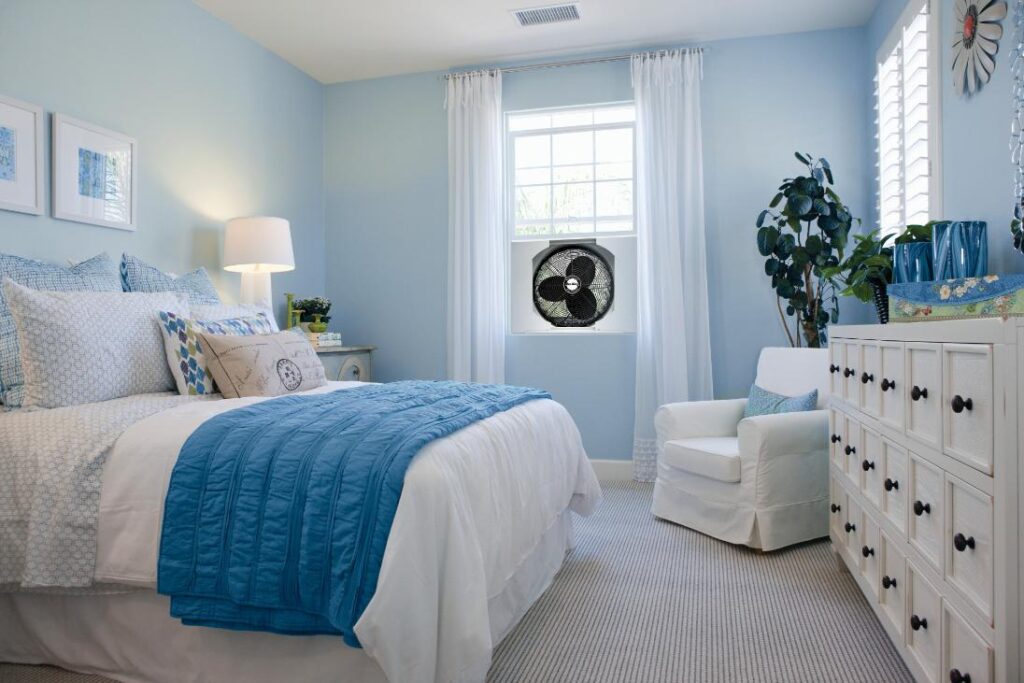
The biggest problem that home owners commit is to install a window exhaust fan that is either too small or too big to fit in the area.
A large fan will make more noise and use more power than a small fan will do, and a small fan will not be able to flow enough air to get the room best ventilated. The correct size will be found by the volume of the room and its use.
For example:
In a bathroom a fan with almost 70100 CFM (cubic feet per minute) might be required.
An effective ventilation of a kitchen or a laundry room may need 150250 CFM or even more.
Tip: Calculate the length, width, and height of your room and select a window exhaust fan with CFM rating equals to the total volume of air. Before buying, make sure to check the guide of the company.
Ignoring Proper Placement on the Window
- A right fan size may fail to work in the wrong part of the window, even though it has the right size.
- The window exhaust fan ought to be on the upper part of the window as the rising air is hot. Ensuring that it is not too low will allow the humidity and odor to be trapped too close to the ceiling.
- Best Practice:
- Install the fan at a high position and force out heated air.
- Install it over a fresh-air source (such as an open window or vent) on a window.
- This will enable cross-ventilation – allowing fresh air to enter and stale air to exit the house in order to get the maximum cooling and airflow.
Forgetting to Check Power Supply and Voltage
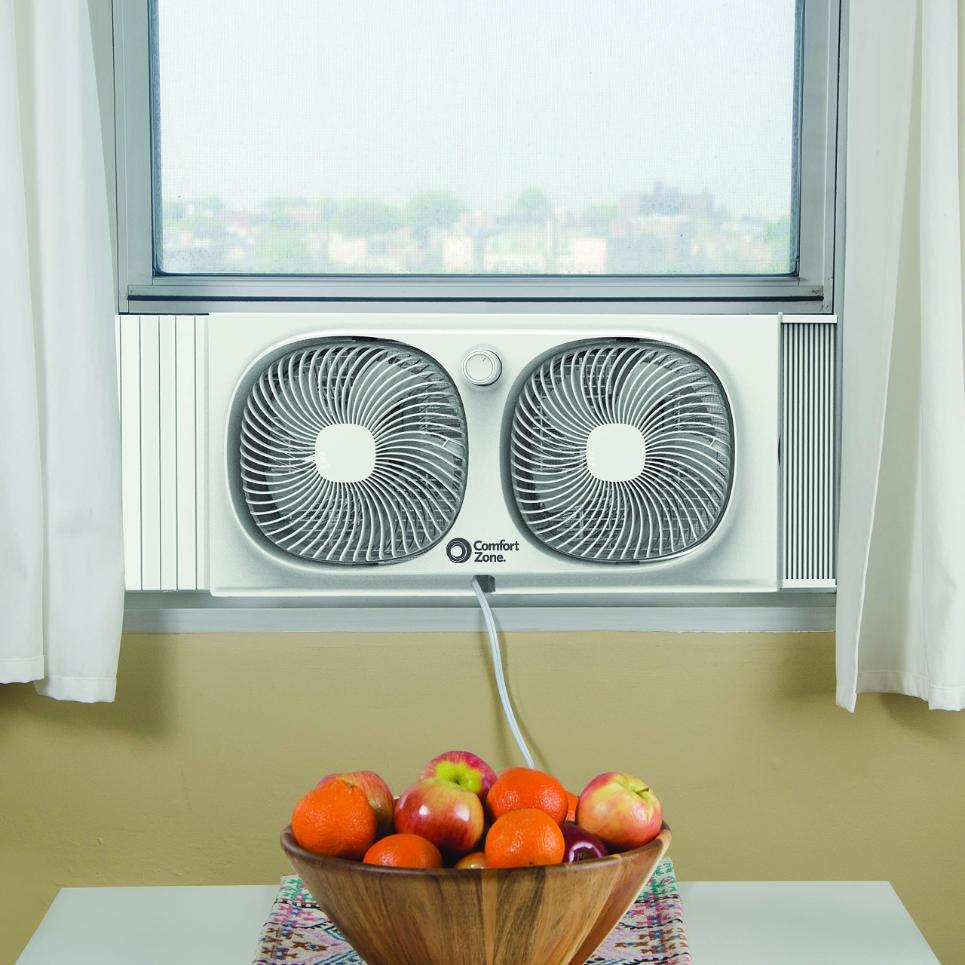
This is a very important step that is neglected by many DIY installers. Each window exhaust fan is rated by voltage – typically 110 V or 220 V depending on the model and country.
Attaching a fan to improper power source may lead to the damage of the motor or short-circuing. Also, failure to install the electrical connections correctly can also pose fire hazards.
Safety Tip:
Voltage compatibility should always be checked before installation.
In case of doubt, seek the services of a licensed electrician to deal with wiring.
Use no low quality extension cords, plug directly into a secure power outlet.
Poor Sealing Around the Fan Frame
The other error is failure to close the sides of the fan after installation. Cracks in the fan and the window frame enable external air, insects, and dust to penetrate in your room. They also make efficiency to be reduced as air escapes.
Fix It Right:
Apply weather gum or insulation tape around the frame.
After installation, make sure that there are no air leaks by turning on the fan and checking on drafts.
A good insulated window exhaust fan enhances efficiency and assists in the maintenance of inside air temperature.
Installing the Fan Without Checking the Airflow Direction
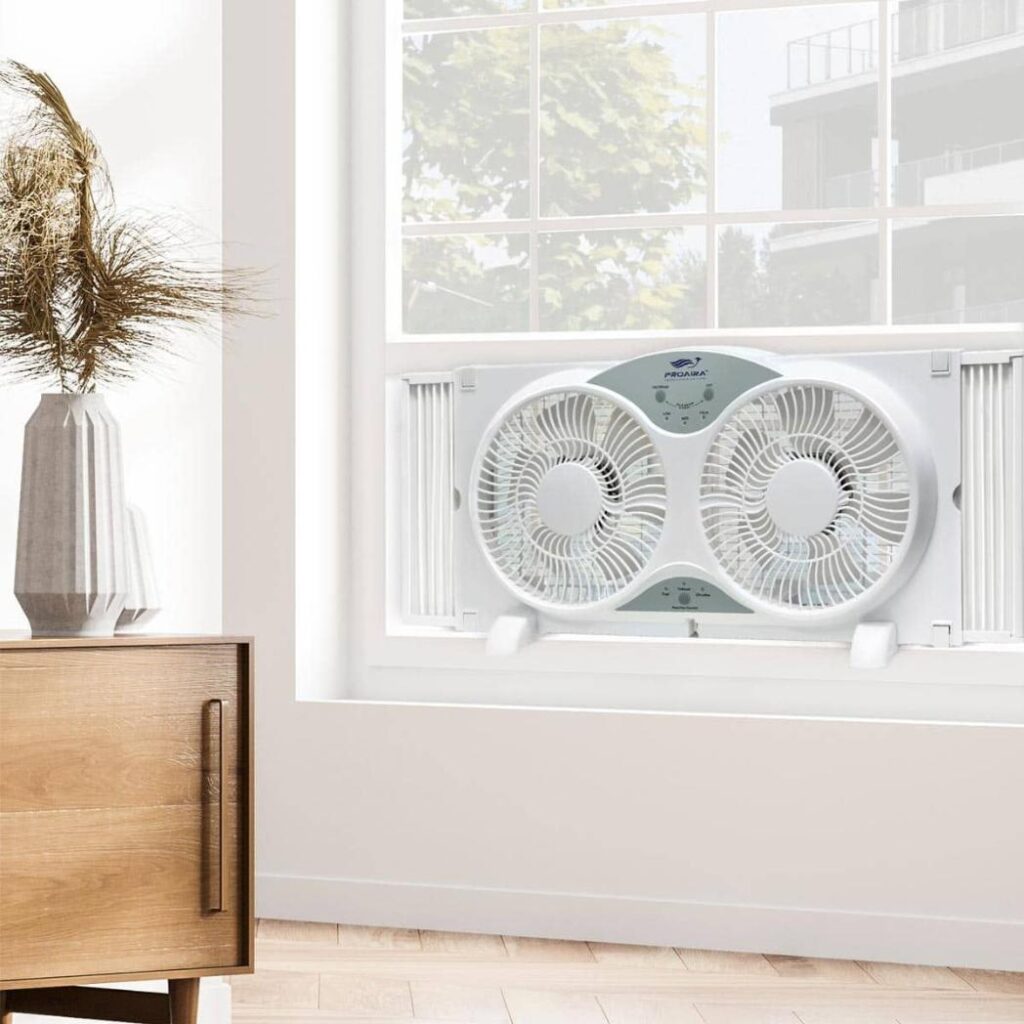
Most do not know how to install the window exhaust fan, and they do so in the reverse direction (blowing the air into the room rather than out). This entirely kills the purpose of ventilation.
Before Mounting:
Check the direction of the fan by positioning it out the window.
Air circulation must be outward which removes warm or moist air out of the room.
In case it is inverted, just invert the direction and then screws are tightened.
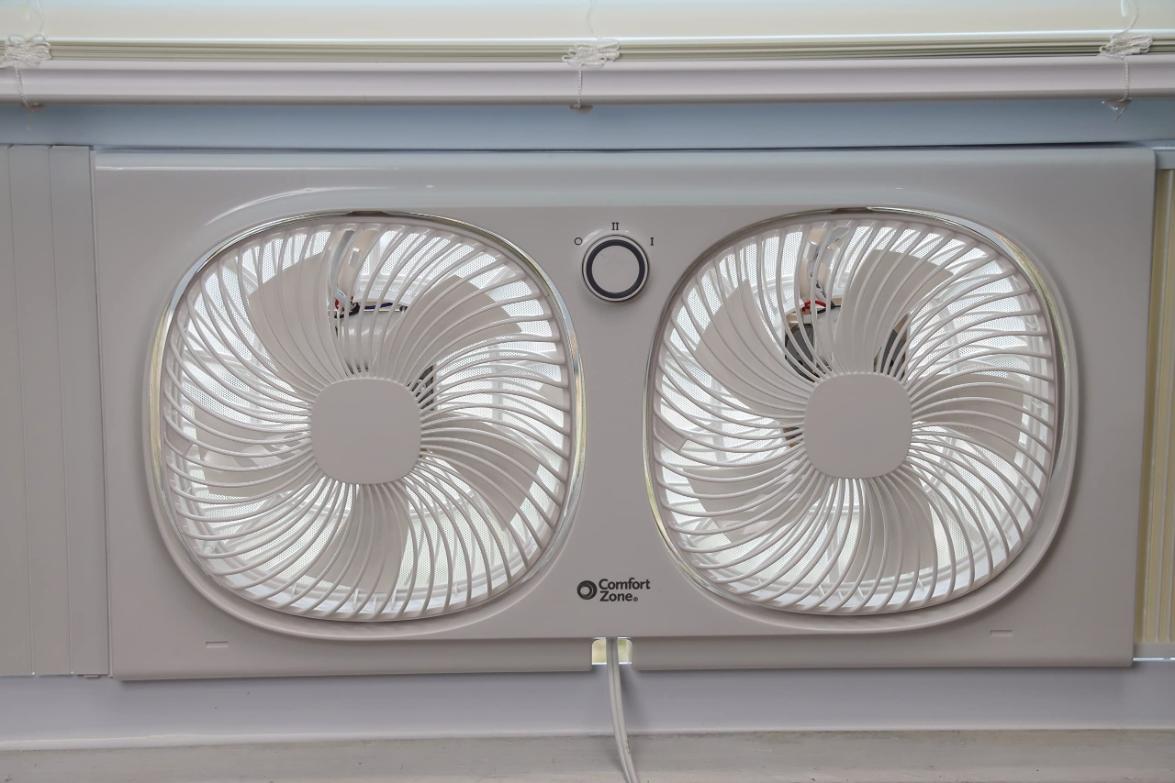
There are also some modern models with a dual reversible airflow, i.e. they can intake and discharge air at the same time depending on what you need to do the flexible ventilation.
Ignoring Safety Precautions During Installation
When installing fans on their own, safety is also not given much consideration. Atmospheric accidents may happen because of carrying unsteady ladders, failure to switch off power, or wet working surface.
Safety Musts:
Never leave power on and work on wires.
Wear gloves in handling metalwork or electrical things.
make sure that the stool or the ladder used is strong and not woobling.
Do not install your window exhaust fan when it is raining or when it is very humid so that you do not experience an electric shock.
Take some basic precautions and you and your equipment are safe.
Not Providing Enough Space for Air Circulation
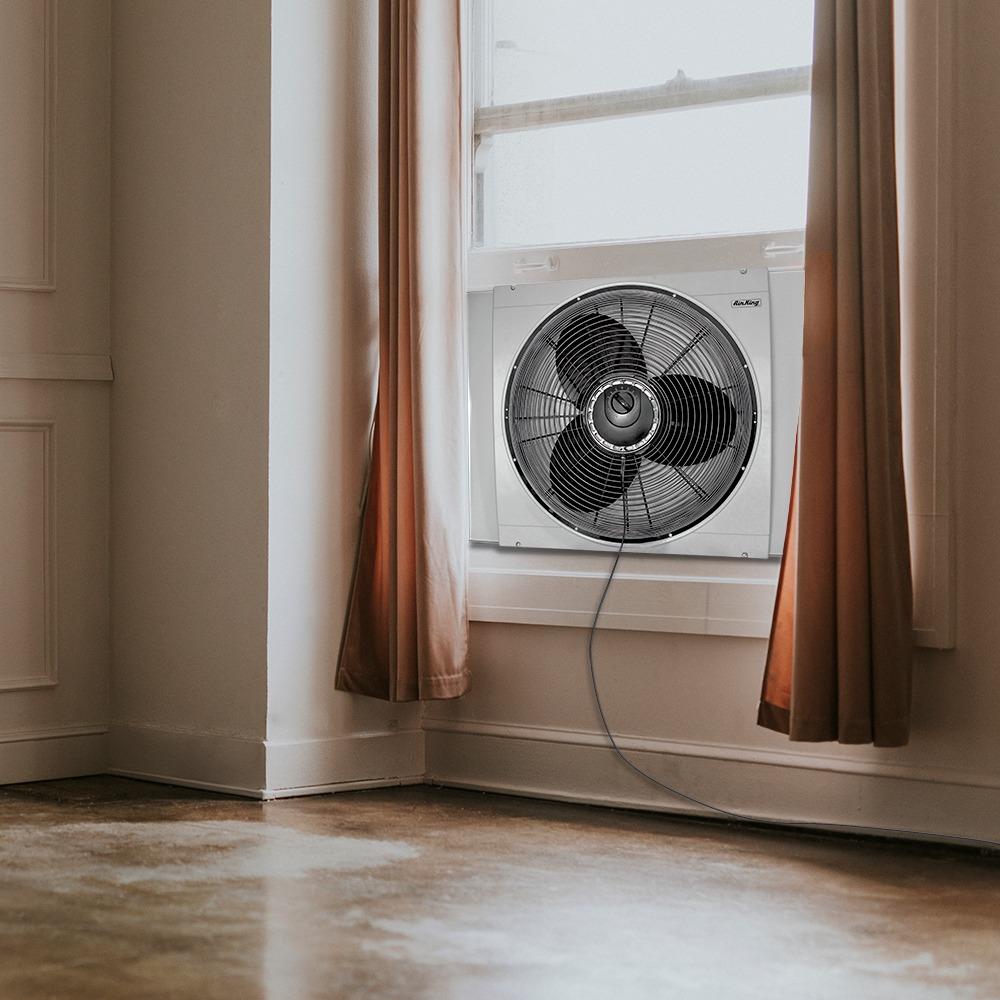
An window exhaust fan requires enough space to be able to work effectively. When it is positioned too near curtains, blinds or walls, then the air movement will be impeded hence poor ventilation.
Remember:
Ensure that there is a lowest of 6 inches of space between the fan and other objects.
Huge furniture should not be placed right in front of it.
Make sure that something does not interfere with the outside side either: tree branches or window grilles.
This is a very easy measure to be taken and can make an enormous change in the exchange rate of air and save your fans a whole new life.
Neglecting Regular Cleaning and Maintenance
The accumulation of dust, grease, and moisture are some of the significant sources of poor performance of fans. A lot of users install window exhaust fan and leave it there months after. In the long run, the blades and motor become dirty hence less air passes through them and they become noisy.
Maintenance Tips:
Wipe the fan blades once in every 2-3 months.
Clean using soft brush or cloth and eliminate dirt.
Applicants In the case of kitchen fans, mild deterger is used to remove grease.
Assess the motor vent and the grilles.
A clean fan does not run noisily, it also has less energy consumption and its life span is longer.
Using the Fan Without a Protective Grill or Screen
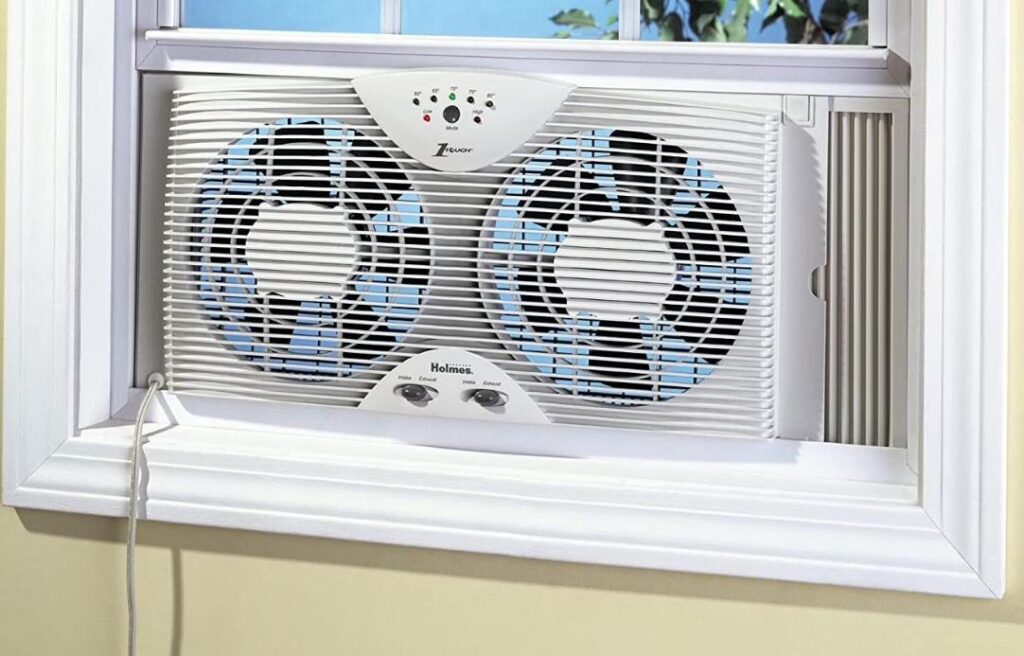
Most cheap fans have an removable grill or mesh screen, though it is not observed by some users due to convenience. This is a big mistake.
In the absence of a protective grill, your window exhaust fan can become a possible point of entry to insects, dust and even minute debris. It also poses a danger of safety- particularly in residential places having children or pets.
Solution:
The front and back grills should always be there.
Assuming that your fan does not include a mesh cover, purchase one that fits.
Wipe or change the screen every now and then to avoid being blocked.
This little provision will ensure that your ventilation system is safe and hygienic.
Not Testing the Fan After Installation
After installation most homeowners believe that the fan will just start functioning automatically. However, not testing your window exhaust fan might conceal minor problems that could become later such as noise, vibration or low suction power.
What to Check:
Switch on the fan and touch the air direction.
Hear in strange rattling or humming.
Check vibration – in case of shaking, screw up the mounting screws.
Make sure that there are no air leaks around the edges.
An initial test is to confirm that you are safe, secure and fully operational on the first day of installation.
Bonus Tip: Use a Reversible Window Exhaust Fan
Another option that may be of useful use is having a reversible window exhaust fan in case you frequently need both the fresh air intake and exhaust capabilities. These models enable you to change the direction of airflow at a button or a remote.
They come in handy particularly in:
Air conditioning rooms quicker in summer.
Elimination of dusty indoor air during winter.
Equalizing air pressure in rooms.
It is a more flexible feature and efficient to your ventilation system throughout the year.
Conclusion
One of the most best solutions is to install a window exhaust fan to improve air quality, decrease humidity, and make your home a clean place. However, it is also important to do it in the proper way. With these 10 common mistakes avoided, you will be able to ensure that your fan will operate efficiently, quietly and safely over the years.
Note – success will depend on the fan size that will be selected, the way it should be sealed, how it should be kept up and also whether it should be checked or not after fixing.
An efficient installed window exhaust fan is not only good to improve comfort but also to prevent the growth of molds, odors as well as entertainment of heat in your own home. You can go slow, then, do step by step, and breathe the clean air your space is getting, nice!