Ceiling Fan Direction: The #1 Mistake That’s Costing You Money
Introduction
A ceiling fan is not just a rotating machine, that could save you a lot of money and could make your house more comfortable. But most people get it wrong. The ceiling fan direction you select may cool your room during the summer season or warm your room during winter. Making the incorrect choice is a waste of power, it adds to your electricity bills and even makes rooms uncomfortable.
This is something that most homeowners do not consider. The positive thing is that when you understand the best ceiling fan direction during each season, you will be in a position to have a single ceiling fan throughout the year to ensure that you stay comfortable in your place and see how much you will save on the electricity bills.
We will expose the number one error of homeowners with ceiling fan direction in this article. You will get to know the correct direction to keep your fans in the summer and the winter seasons, how to know your fans direction and some very easy but practical ways of spending less. This guide will help you realize that one more minor change can significantly change things even though you have had a fan all this time.
At the end, you will understand very clearly where to turn your ceiling fan during summer, during winter, and how to utilize it effectively so as to save on energy bills. None of the myths, no misunderstanding, no doubt, but pure and definite tips on what every household needs to do.
Understanding Ceiling Fan Direction: Why It Matters
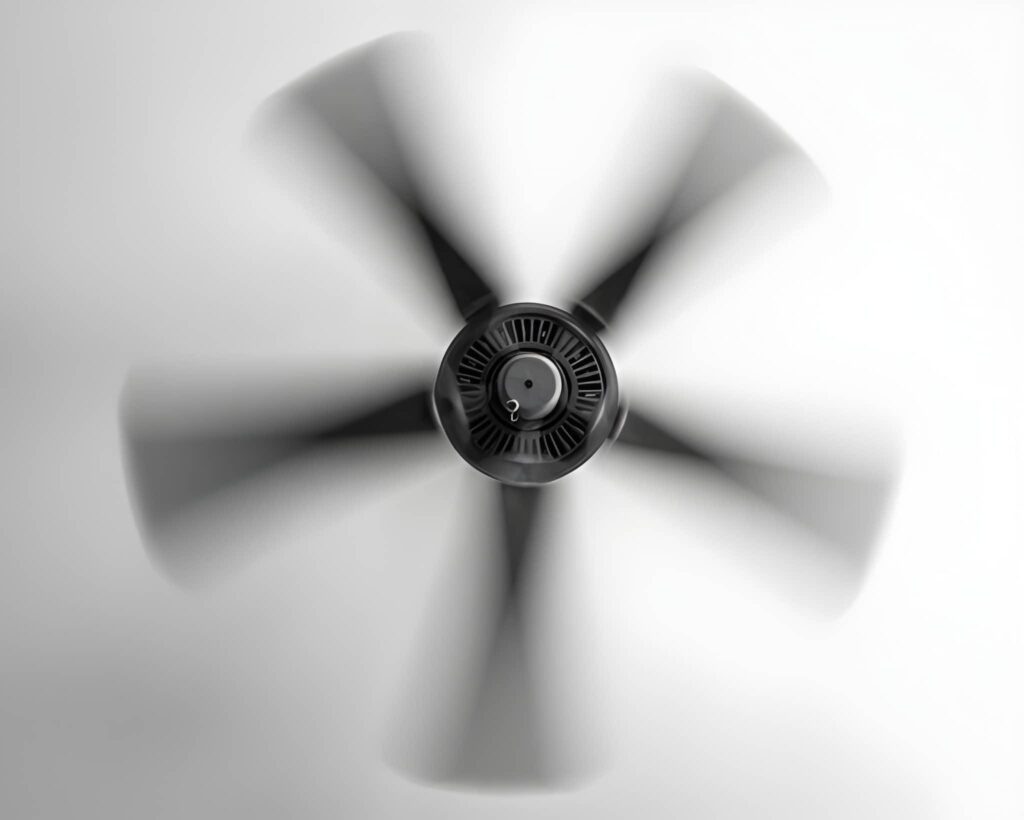
A lot of consumers believe that the rotation of ceiling fans does not have any significant influence on comfort. Factually, of your ceiling fan direction significantly affects the energy efficiency and home comfort. The improper rotation can either make your room warmer during summer or colder during winter and you thus have to use your air conditioner or heater than what is required.
Why it matters:
- Comfort: The circulation of air due to the correct rotation of the fans will avoid hot and cold spots.
- Saving of energy: Proper fan direction will also save up to 30 percent of cooling expenses and 15 percent of heating expenses as a result of rejection of HVAC systems.
- Durability: Properly used fans will have a reduced load on the motor, which will increase the life of your appliance.
The myth: It is a popular myth that fans can only be used to cool. This is a myth of ceiling fan direction. A rotating ceiling fan can circulate warm air inside the house during winter to take the load off the heating system, and allows the system to operate at maximum efficiency.
Also, with your fan pointing in the opposite direction all year round you may get:
- Inequality in air distribution in rooms.
- Higher electricity bill.
- Poor living conditions.
How Ceiling Fan Direction Works: Summer vs Winter
Ceiling fans may either spin clockwise or anti clockwise and it is important to know the physics of airflow. Every rotation has a different purpose.
Counterclockwise (Summer)
- Air flows are forced downwards by blades producing a cooling breeze.
- This wind-chill effect assists in sweating off your skin thus feeling cooler without necessarily reducing the temperature of the room.
- saves energy since you are able to turn up your thermostat by 3-4 o C and still feel comfortable.
Clockwise (Winter)
- Blades move warm air resting on the ceiling down the walls and the circulation of the air takes place in the room.
- Stops the build-up of heat around the ceiling.
- Will enable your heater to labor less, and this will lower your energy bills.
After regulating your fan rotation according to the season, you will be able to make the most out of the comfort and save a lot of energy. The most common mistake, which many homeowners commit, is the failure to change direction, costing them money.
The Correct Ceiling Fan Direction for Summer
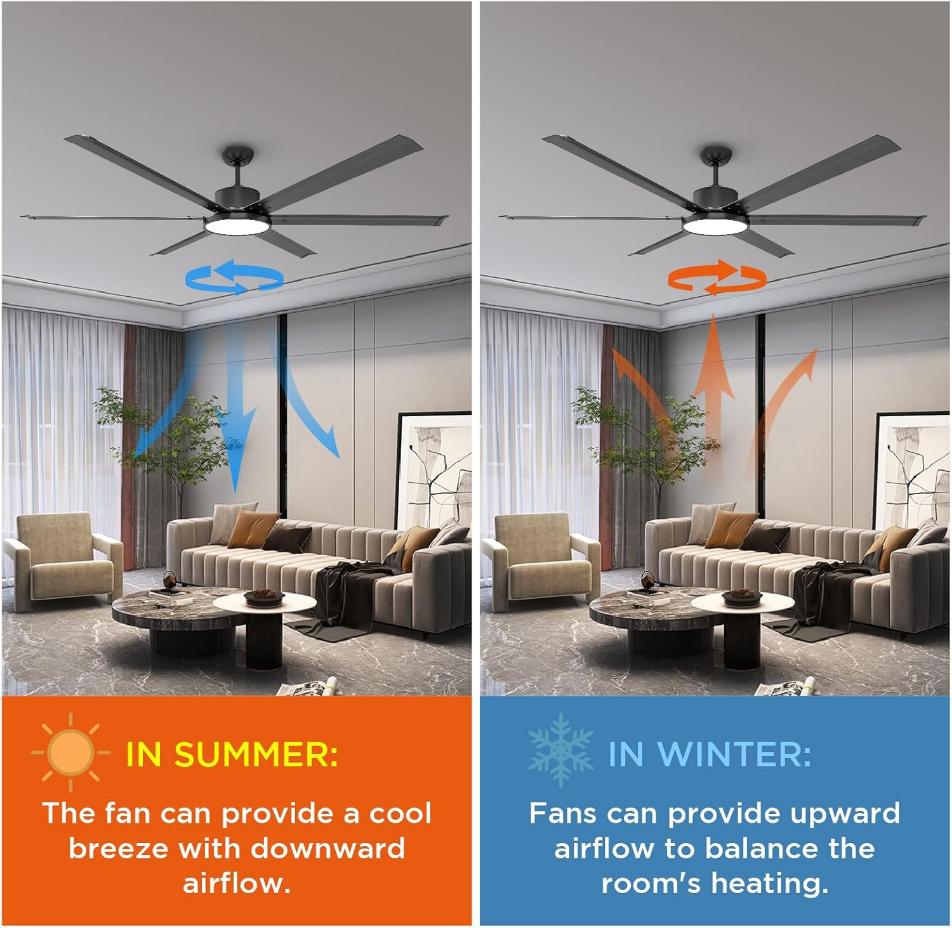
Your fan must spin anti clockwise during summer. This orientation generates a firsthand breeze that makes you feel colder and lessens the use of A/C.
Benefits:
- Decreases perceived temperature by 4-5deg F.
- Saves money on monthly electricity bills, so that it reduces AC usage.
- Vents air throughout all corners of the room.
How to make sure summer rotation will be correct:
- Turn the fan on high speed.
- Be under it and breathe the air. A certain wind is supposed to be feeling your body.
- When you do not feel that some air is flowing down pressing the ceiling fan direction switch the fan so as to reverse the blades.
Extra summer tips:
- Buy ceiling fans together with AC to save as much as possible. Increase thermostat with fan use on.
- In large rooms have several fans to evenly spread the air.
- Close doors and windows to make sure that air is recirculated.
The Correct Ceiling Fan Direction for Winter
During winter, you should rotate your fan clock wise and with low speed. This is a slow rotation that takes the warm air in the ceiling down along walls without causing cooling effect.
The benefits of clockwise in winter:
- Stops warm air that may languish on the ceiling.
- Distributes heat within the room to provide better temperature distribution.
- Makes your heating system more efficient, which reduces your power bill.
Quick winter check:
- Stand under the fan. You must not feel the cold in the air.
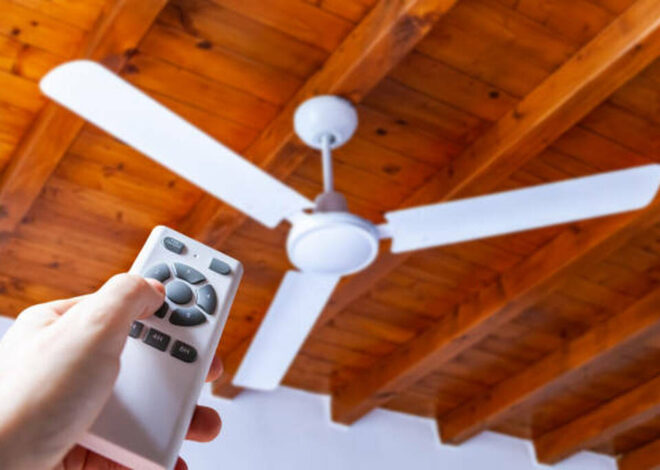
- In case you can feel the air flowing, use the ceiling fan switch direction.
Extra winter tips:
- Fan speed must be low to avoid wind-chill effect.
- Put fans in bedrooms and living rooms to make the rooms circulate heat easyly.
- Add programmable thermostats to save as much energy as possible.
How to Identify Your Ceiling Fan’s Current Direction
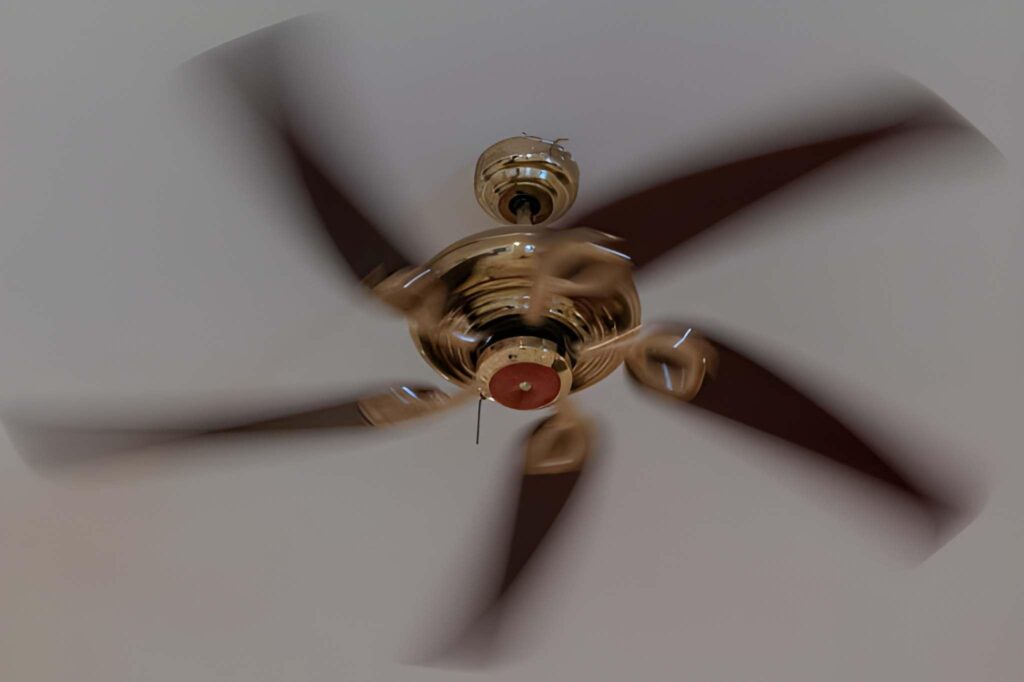
More often than not even seasoned house owners will be unaware of the direction their fan is facing. Here’s how to check:
Step by step guide:
- Turn your fan on high speed.
- See the blades underneath:
- Counter Clockwise rotation: Fan is adjusted to summer.
- Clockwise rotation: Fan will be winter ready.
- Adjust the ceiling fan switch direction in case of need.
Extra tips:
- Get as close as possible to the fan.
- Feel the air: strong wind=summer mode; no wind or air flow= winter mode.
- Checks should be done seasonally to make sure it performs to its fullest.
Common Myths About Ceiling Fan Direction
The perception that myth exists on whether or not the ceiling fan will rotate is likely to cause unwarranted energy bills. Please, dispel the most widespread myths:
Myth 1: Fans only cool rooms.
Fact: During clockwise rotation, the fans blow warm air during winter.
Myth 2: It is not so important how the fans rotate.
Fact: Improper rotation is useless and uses more energy.
Myth 3: Fans must never spin in the clockwise direction.
Fact: The right direction is seasonal.
The myths can be avoided and will make your fan provide you with all-year-round comfort and the highest energy savings.
Energy Savings and Cost Benefits of Correct Fan Direction
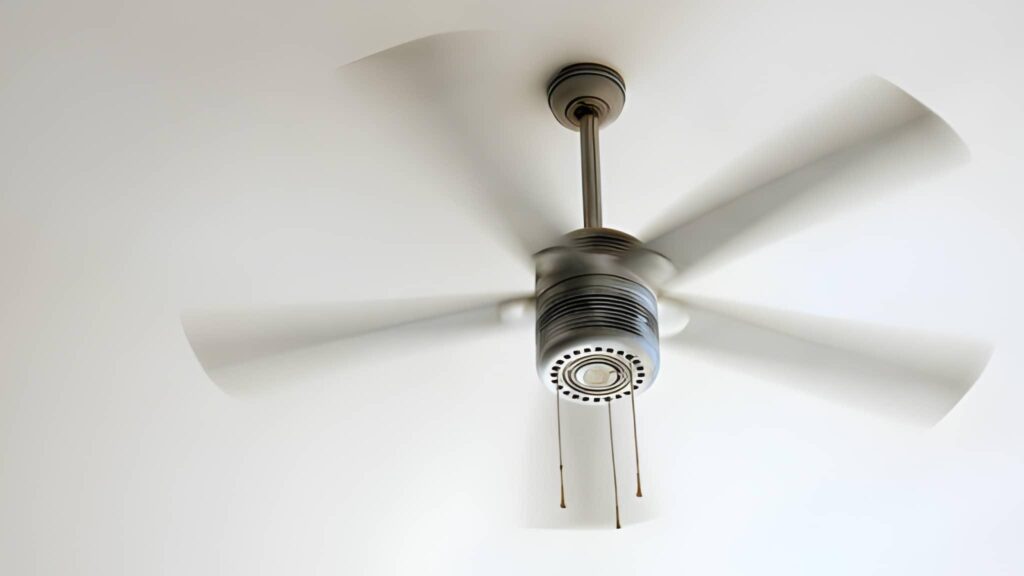
With proper use of your ceiling fan, you are likely to save a considerable amount of money on your electric bills:
Summer:
AC consumption can be cut by up to 30 per cent. through proper counterclockwise rotation.
Winter:
Proper clockwise rotation saves heat expenses by not less than 1015 percent.
Example:
A 2000 sq. ft. house with ceiling fans properly installed could save as much as 15-25/month in the summer season and 10-20/month in the winter season. In one year, that will mean as much as 500 dollars saved by simply changing the direction of fans.
Even small rooms benefit. The more fans used in the bigger areas will guarantee that the air moves in every corner and this will also minimize the heating and cooling requirements.
Quick Tips to Maximize Your Ceiling Fan Efficiency
- Adjust the fan speed on seasonal basis: Active in summer and low in winter.
- Install HVAC systems together with fans: Thermostat can be adjusted to save energy.
- Check blade inclination and diameter: Sharper blade pitch cuts a greater volume of air.
- Have fan blades cleaned often: Dust decreases the airflow and consumes more energy.
- Install reversible motors: Easier seasonal switching.
Troubleshooting Common Ceiling Fan Direction Problems
Problems may occur even after adequate installation:
Installation wrong rotation: Use Ceiling fan switch direction.
Poor airflow: Clean blades and adjust the check speed settings.
Lack of even room temperature: makes sure the blade is balanced and in position.
Efficient and year-round energy savings are also achieved by maintaining your fan regularly to make it work more efficiently.
Choosing the Right Fan for Maximum Efficiency
Fans are not created alike. As you choose a fan, look at:
Switching motor: Summer and winter alternately.
Blade size and pitch: Taller blades with larger pitches have higher flow.
Energy saving models: Reciprocate the energy Star or CE certification.
Ceiling height and room size: This is to ensure that the fan fits the room to allow maximum airflow.
The appropriate ceiling fan direction together with the right fan would guarantee the comfort and a high level of cost savings throughout the year.
Conclusion
A minor adjustment can help you save a lot of money, and it is so easy to set your ceiling fan direction right. When it is hot you can rotate the fan anti-clockwise and stay cool and save on AC bills. During winter, clockwise recirculates warm air saving on heating expenses.
With the help of avoiding popular myths and considering seasonal recommendations, it is possible to feel comfortable all year long, to save energy, and to increase the lifespan of your fan. The most important thing you might change to prevent unnecessary expense each month is a minor step in the rotation of the fan.
Get your fan in control today – Switch it, check your direction and get the right mix of comfort and savings in the house.