The Importance of Ventilation Exhaust Fans in Modern Homes
Introduction
Contemporary houses are planned to be energy saving, airtight and cozy. Although it maintains the same temperature and saves the energy bills, it also closes the heat, dampness and smelliness within it. That is where a ventilation exhaust fan is necessary.
A decent ventilation exhaust fan is useful to keep the quality of indoor air good, get rid of excess moisture, avoids mold, and makes your house smell good. It could be in your kitchen, bathroom, laundry room, or your attic space and proper ventilation can help to save your health and your home.
This article is going to discuss why having a ventilation exhaust fan is more than a comfort option not a necessity in the contemporary world.
What Is a Ventilation Exhaust Fan and How Does It Work?
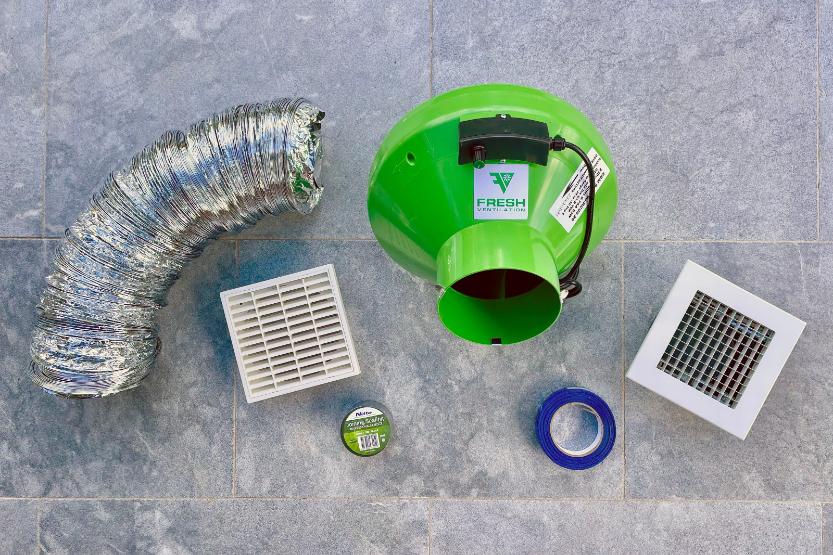
A ventilation exhaust fan is an electrical appliance which removes the stale, wet, or hot air in your home and in its place introduces fresh air outside. It operates by drawing air in by means of blades or vents and forcing it out using ducts or windows.
The process will aid in the balanced circulation of air inside the building and avoid the accumulation of damaging particles. A ventilation exhaust fan installed in the right places and locations like bathroom and kitchen will keep your living environments dry, fresh and devoid of odors.
Ventilation fans are of various kinds:
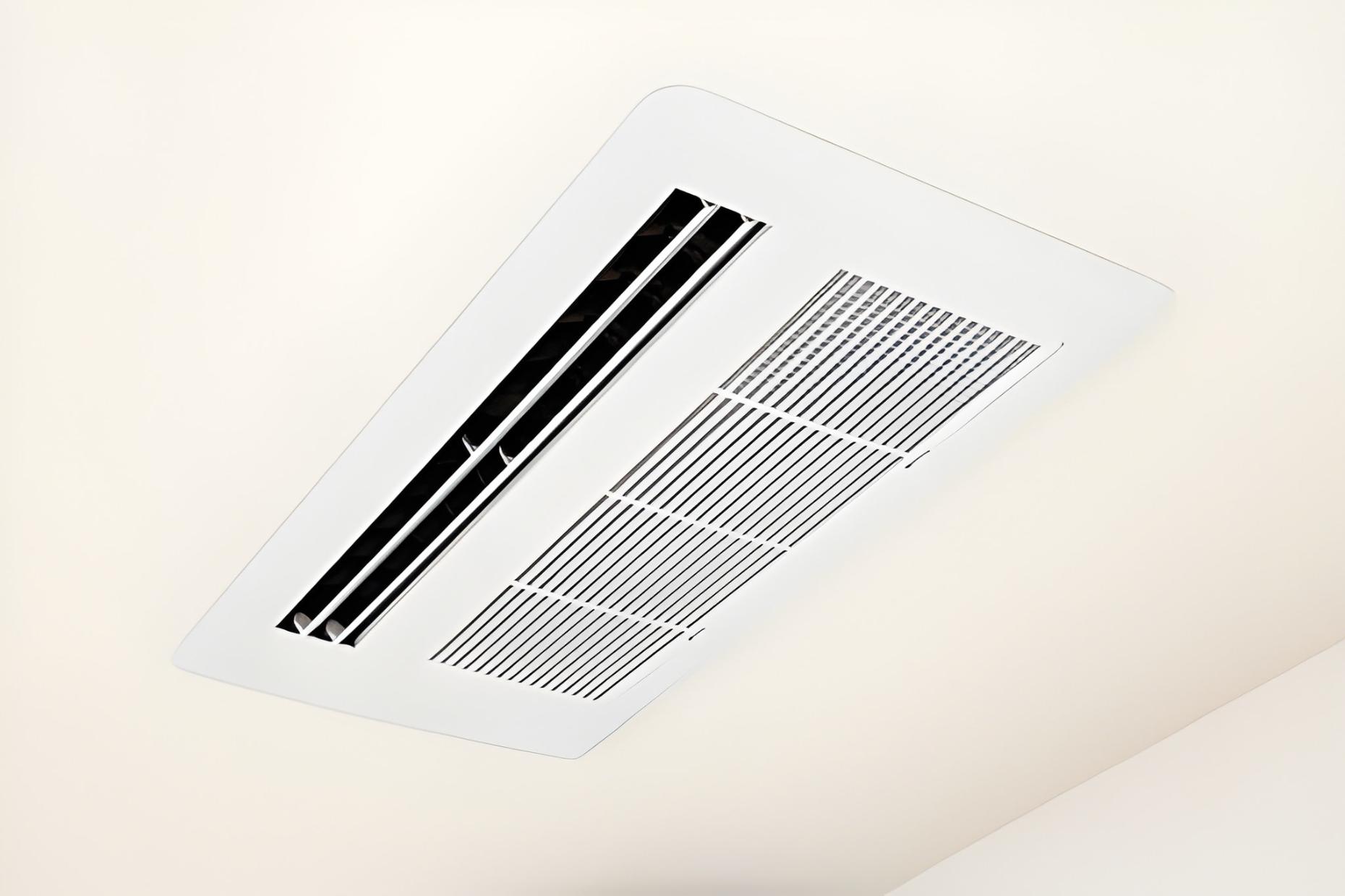
Ceiling fans – usually fitted in bathrooms or kitchens.
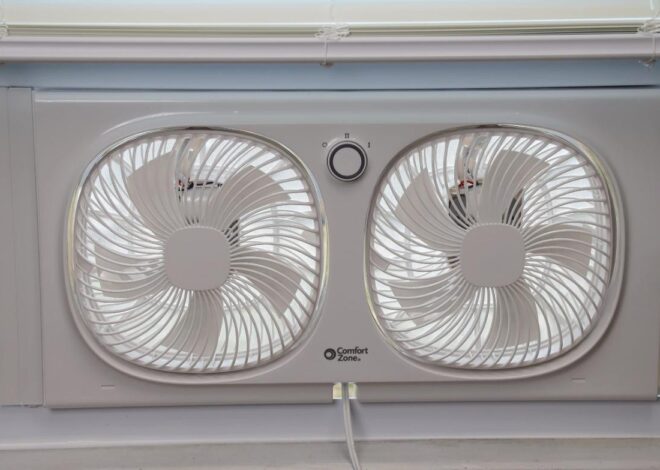
Fans that can be mounted on the windows- good in small rooms or workshops.
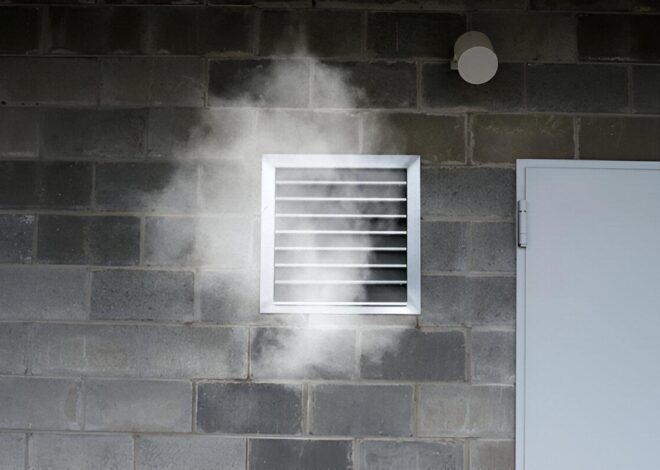
Wall-mounted fans – to be used in places that require direct outdoors ventilation.
Ducted fans are ducting fans which are frequently placed in attics or cellars to circulate large volumes of air.
The purpose of each type is the same to ensure that the air flows are enhanced and the indoor environment is healthy.
Why Ventilation Is Essential in Modern Homes
Contemporary houses are constructed using energy saving materials which trap air thereby avoiding the escape of heat. Although this contributes to the reduction of the energy expenses, it restricts the natural airflow, as well. The absence of ventilation traps moisture, odors and pollutants inside the building.
Here’s why this is a problem:
moisture will cause mould and mildew to grow that may harm walls, ceilings and furniture.
The lack of good air flow outcomes in unpleasant cooking, cleaning or pets smell.
Stagnant air may augment breathing problems and allergies.
A ventilation exhaust fan would regain the equilibrium by expelling old air and introducing fresh air. This will make it more comfortable and save the health in the long term of your family and your home.
Key Benefits of a Ventilation Exhaust Fan
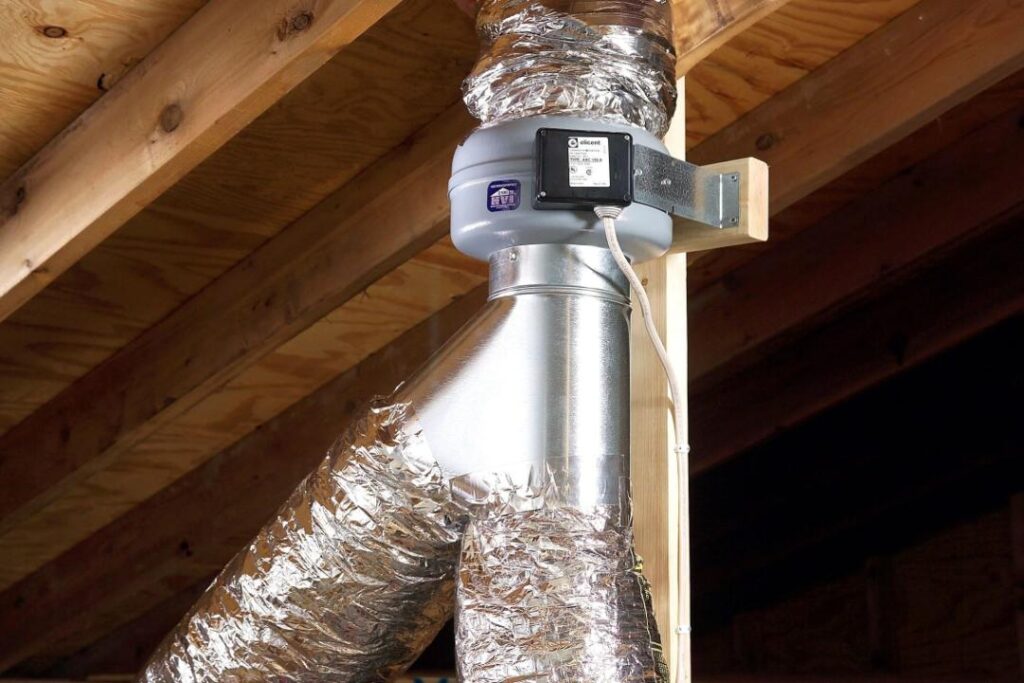
Ventilation exhaust fan has other significant advantages that are not restricted to fresh air. The following are the key ones that a homeowner ought to be aware of:
a. Controls Humidity
Bathrooms, kitchens, and laundry areas are the key areas with high dampness. It leads to moisture and moulds. An exhaust fan cleans the damp air out of the area keeping the area dry and safe.
b. Prevents Odors
There can be lingering cooking fumes, smoke and other smells that need not be properly ventilated. Fan will take away all the smells within a short period of time leaving your house to be clean and nice.
c. Improves Air Quality
A ventilation exhaust fan benefits in the removal of dust, chemicals, and allergens in the environment, which makes the environment better.
d. Prolongs the Life of Paints and Fittings.
Paint may peel and wood may warp, and metal fixings may rust as a result of moisture and steam. These problems can be avoided through proper ventilation which saves the finishes of your home.
e. Energy Efficiency
The fan will also save energy by cutting down on the workload of your air conditioner by eliminating extra heat particularly in kitchens or attics, which will also help reduce your electricity bills.
Common Areas Where Ventilation Exhaust Fans Are Needed
A fan is not necessary in all rooms of your house, however, there are rooms where it can work wonders. Let us examine the point at which a ventilation exhaust fan has the most significant effect:
Bathroom
One of the most moist areas in a house is the bathrooms. The ventilation exhaust fan eliminates the accumulation of steam, lessens fog on mirrors as well as avoids mould in tiles and walls.
Kitchen
Cooking results in smoke, grease and heat. A kitchen exhaust fan can also be installed to eliminate these pollutants and make the air clean.
Laundry Room
Dry cleaning and washing clothes emit dampness and heat. A ventilation exhaust fan is used to balance the air and avoid the condensation of the walls.
Attic
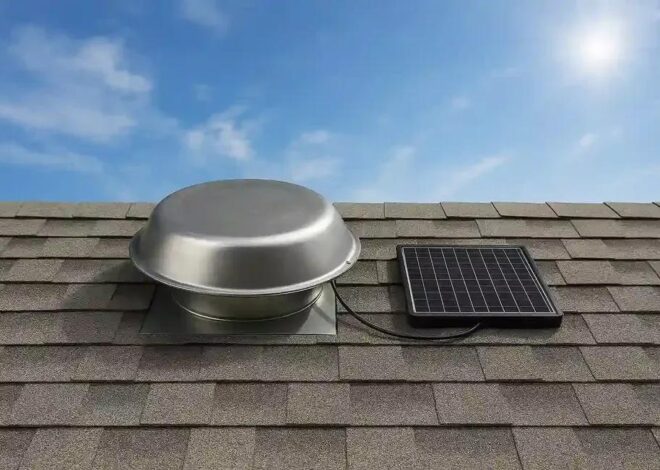
An attic ventilation exhaust fan assists in eliminating the hot air in summer avoiding the damage of the roof and reducing the cost of cooling.
Garage or Workshop
Such environments are usually full of all kinds of fumes of paints, chemicals, or cars. An air conditioner uses a fan to provide adequate air movement and security.
How a Ventilation Exhaust Fan Protects Your Health
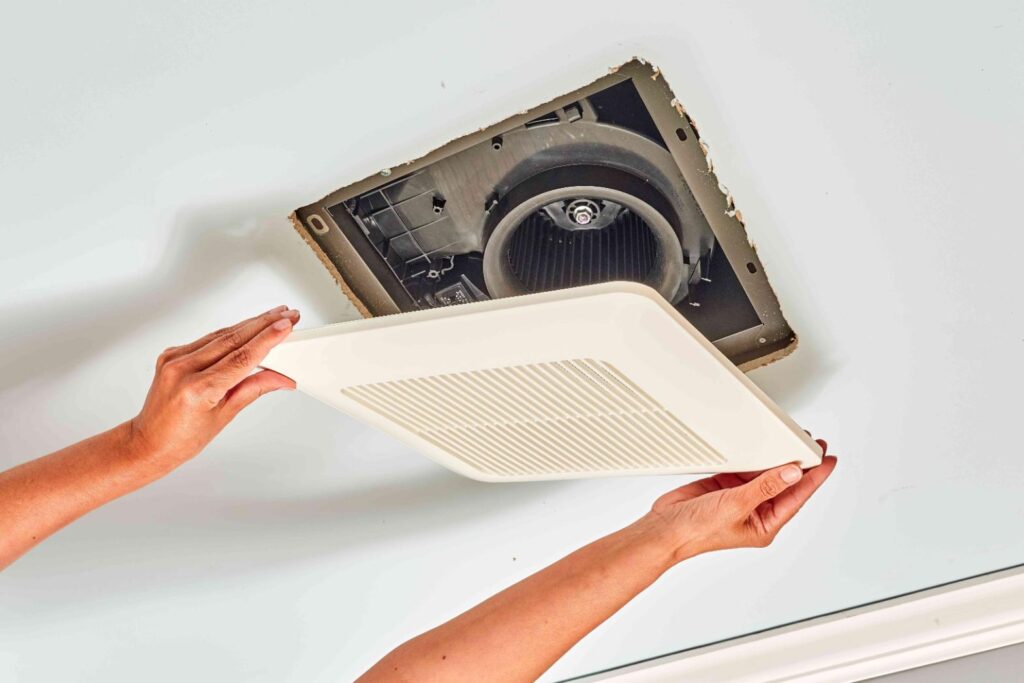
Ventilation is a direct cause of health and wellbeing. The absence of a ventilation exhaust fan will cause the build up of pollutants due to cooking, cleaning chemicals, and humidity, resulting to respiratory problems.
Here’s how a fan protects you:
Reduces environmental pollutants such as smoke, dust and VOCs (volatile organic compounds).
Stops mold spores, which spreads asthma and allergies.
Regulates the indoor temperature, which makes the place of living more comfortable.
The clean airflow system is necessary, particularly to the family with children, elderly people, or any person with breathing sensitivities.
Energy Efficiency and Cost Savings
Most individuals believe that when a ventilation exhaust fan is installed, it consumes more energy, to the contrary, the reverse is the case. It can also reduce the energy costs when properly used.
How?
The fan gets rid of the hot air in the summertime, so your air conditioner does not have to overwork.
It also regulates the humidity in bathrooms and kitchens avoiding the possible damage that could be caused by moisture and that would be expensive to fix.
Modern exhaust fans are equipped with power saving motors and sensors that make them automatically switch off when they are not in use.
Therefore, installing a good ventilation exhaust fan is an investment with returns in the long term in terms of energy-saving and the comfort of indoor environment.
How to Choose the Right Ventilation Exhaust Fan
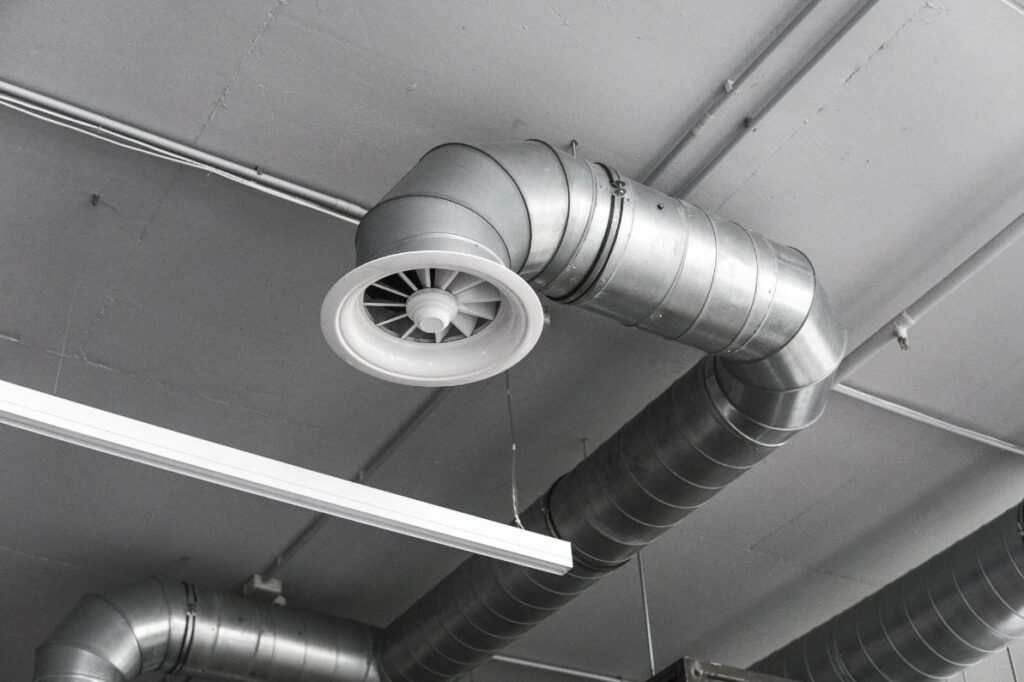
The right ventilation exhaust fan will depend on the size of your room, the use of the room, and the amount of air clean-up that you need. Here are some tips:
Check the CFM rating:
The power of the fan is in cubic feet per minute (CFM). The 70100 CFM fan may be required in a small bathroom, whereas the 200 and more CFM may be necessary in a kitchen or an attic.
Look for noise level (sones):
Silencer fans (less than 2 sones) suit the bedrooms or bathrooms where the silence is essential.
Energy-efficient models:
Find ENERGY STAR fans that conserve energy but do not affect performance.
Additional features:
Contemporary fan can have LED lamps, humidity sensor, or timer- everything convenient and practical.
When making a wise choice, it will guarantee peak performance and satisfaction in the long term.
Installation Tips for Maximum Efficiency
Ventilation exhaust fan is better installed and has a long life. Regardless of whether you are doing it or paying someone to do it, these are the important steps to follow:
Correct installation: Have the fan installed near the source of moisture or the heat such as over the shower or the stove.
Direction of ducts: This is to ensure that ducts do not run into the attic or ceiling cavity.
Seal well: Caulk or weatherproof sealant should be used to seal the gaps around the fan frame.
Check air circulation: Once the installation has been completed, the fan should be turned on to make sure air moves out.
Improper fitting may seal in moisture or lead to backdraft thereby lowering the efficiency of the fan.
Maintenance and Cleaning for Long Life
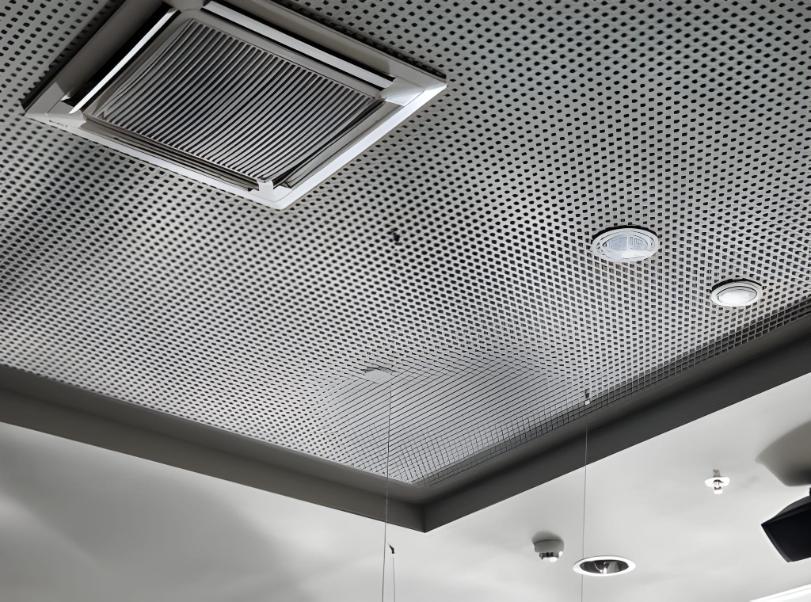
Your ventilation exhaust fan, just like any other appliance, requires some regular maintenance in order to be effective. Blades and vents may be clogged by dust and grease.
Here’s a simple routine:
Switch off electricity and then clean.
Take off the fan cover and clean off the blades with a damp cloth.
Apply a soft soap where there is grease in the kitchens.
Blockage and debris vents and ducts.
Cleaning once in 2 -3 months is recommended to sustain airflow, noise reduction, and prolong life span of the fan.
The Future of Home Ventilation: Smart Exhaust Fans
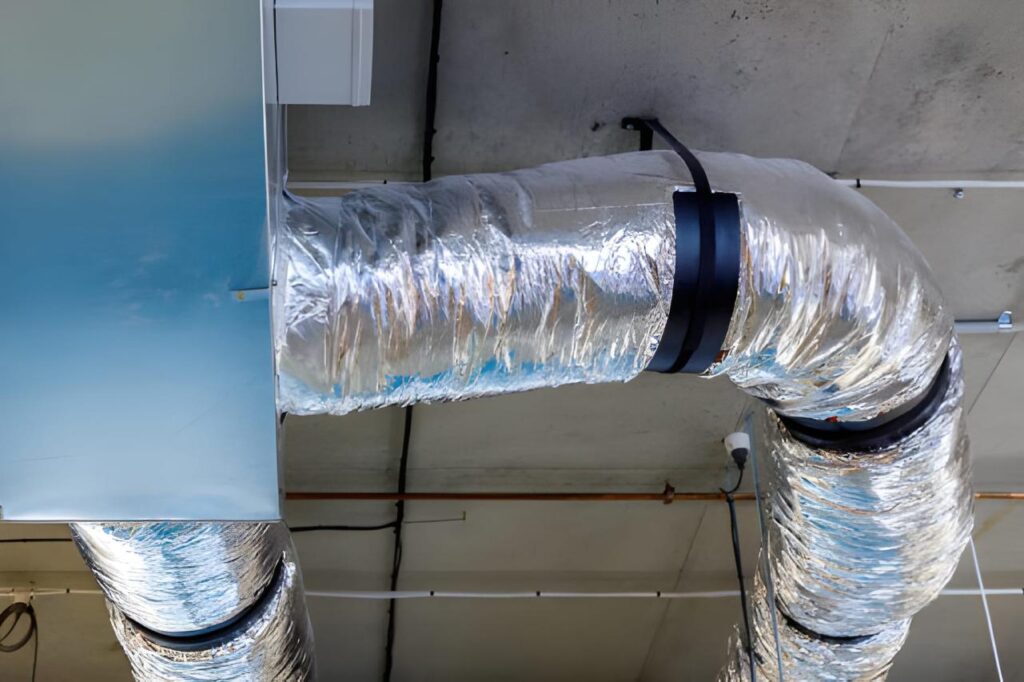
Even the ventilation systems have been made smarter with technology. New ventilation exhaust fans are currently equipped with sophisticated abilities such as:
Motion sensors which turn the fan when one enters the room.
Automatic speed adjusting humidity sensors.
Smart app or remote control, allowing you to control ventilation with your smart phone.
LED lights installed in the fan design and saving energy.
These inventions render the ventilation simple and ideal to the contemporary houses that are centered on comfortability and sustainability.
Final Thoughts
One of the most underestimated, but vital characteristics of a modern house is a ventilation exhaust fan. It actually preserves your health, averts mold, enhances quality of air and makes living areas more comfortable and efficient.
It can be your kitchen, bathroom or attic and with the installation of the appropriate fan, you will have all year long dry, clean, and fresh at home.
Thus, it is high time to install a ventilation exhaust fan in your house, in case you have not done it yet. It is a little upgrade that has big results in terms of health, comfort and the long term value of your home.